Dissemination of Non-Thesis Final Project Based on Publication of SINTA Journals by Informatics Students of Unismuh Makassar
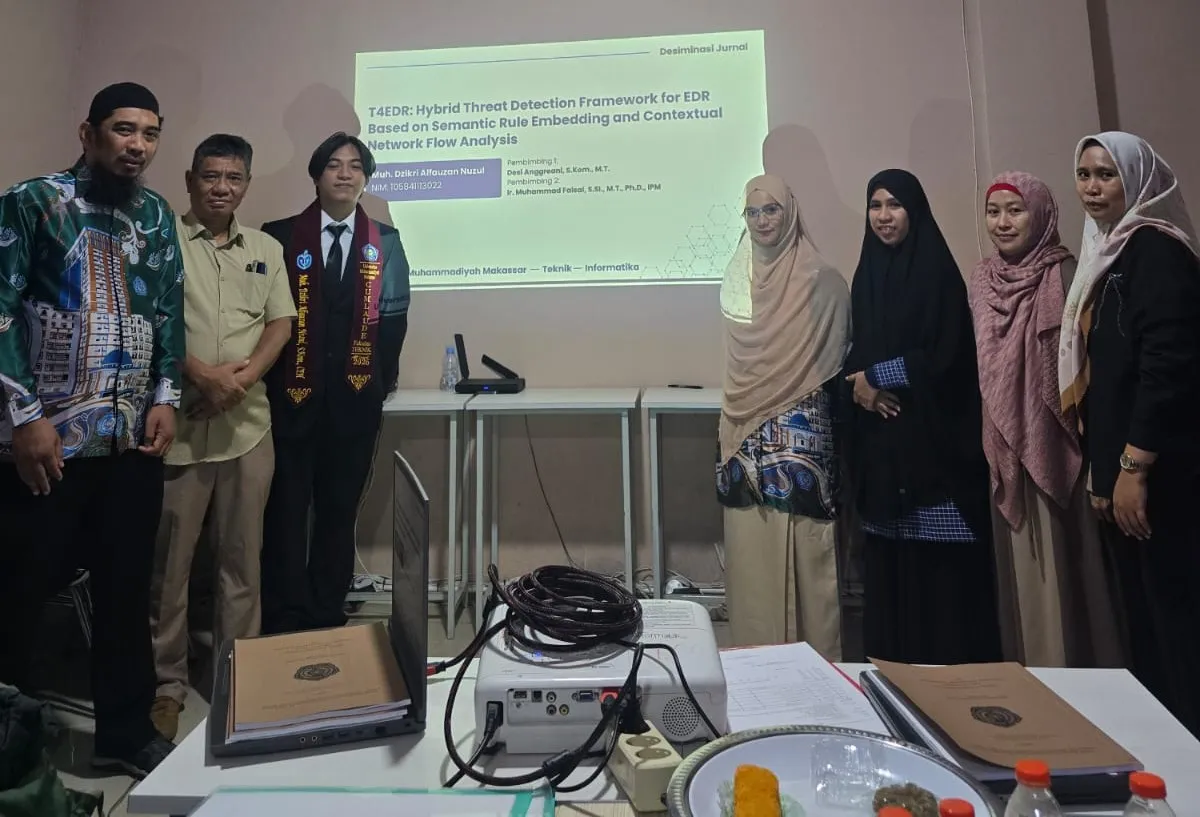
TEKNIK.UNISMUH.AC.ID — The Faculty of Engineering, Muhammadiyah University of Makassar, once again demonstrates its commitment to promoting research and scientific publication through the implementation of a non-thesis final project pathway based on publication in SINTA 2 indexed journals. The event, which took place on Tuesday, May 19, 2026, in the Faculty of Engineering Network Laboratory, is part of the implementation of academic policies that emphasize the output of reputable research.
Students from the Informatics Program, Muh. Dzikri Alfauzan Nuzul, conducted their final project examination using a dissemination scheme for scientific research results. This non-thesis pathway places scientific publication as the main achievement, while also strengthening students' competence in producing relevant research with technological developments.
The research title examined was "T4EDR: Hybrid Threat Detection Framework for EDR Based on Semantic Rule Embedding and Contextual Network Flow Analysis." This research addresses the issue of cybersecurity through the development of a hybrid threat detection framework based on contextual network flow analysis and semantic rule embedding, which is expected to contribute to the development of modern network security systems.
The examination was conducted by a panel of examiners consisting of academics from various institutions, including Prof. Dr. Ir. Zahir Zainuddin, M.Sc. as chairman, Prof. Dr. Ir. Hafsah Nirwana, M.T. as secretary, and a responding team consisting of Rizki Yusliana Bakti, S.T., M.T., Muhyiddin A.M. Hayat, S.Kom., M.T., and Titin Wahyuni, S.Pd., M.T. The students were guided by Desi Anggreani, S.Kom., M.T. as the main supervisor and Ir. Muhammad Faisal, S.Si., M.T., Ph.D., IPM as the supporting supervisor.
Through the implementation of this non-thesis pathway, the Faculty of Engineering, Unismuh Makassar, hopes to encourage more students to produce high-quality and nationally/internationally competitive scientific publications as part of strengthening academic reputation and innovative technology-based research productivity.
Sustainable Development Goals

Related News
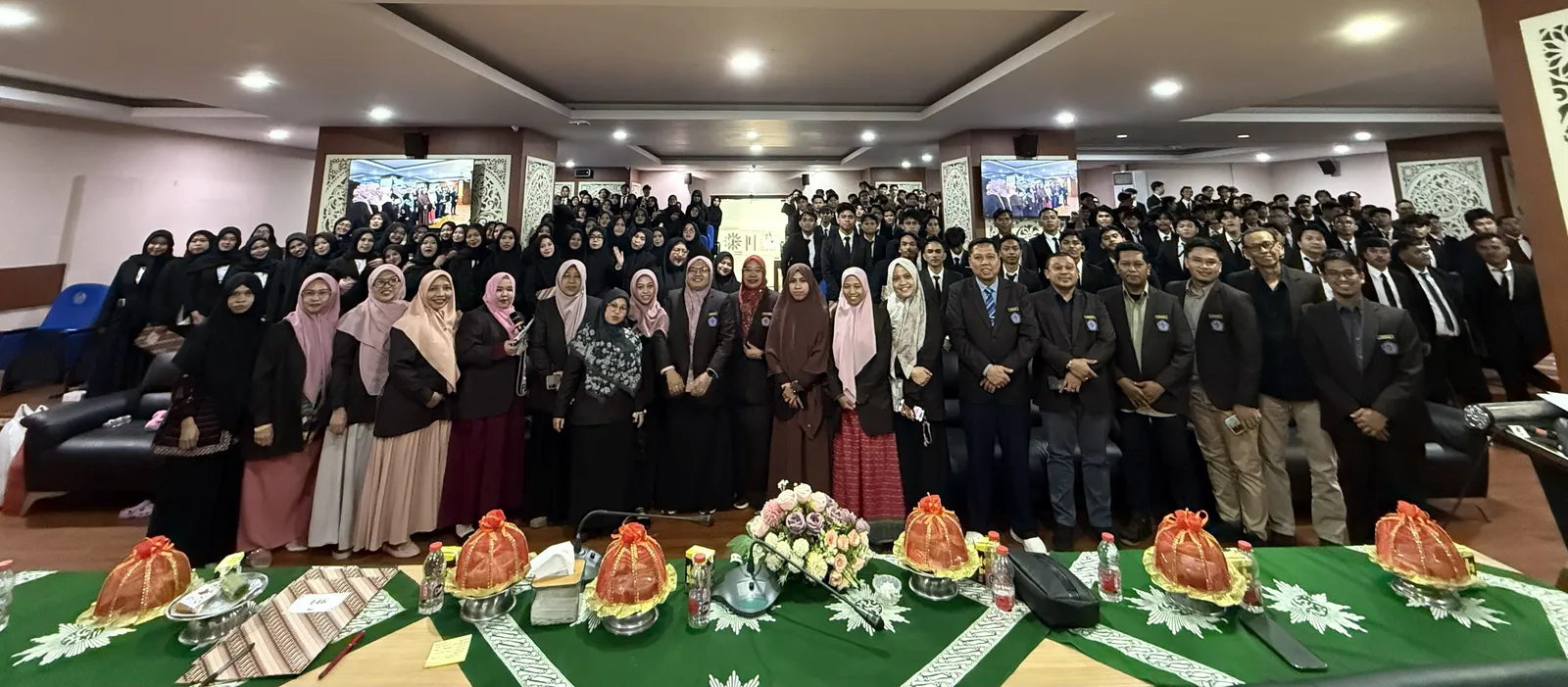
Fakultas Teknik Unismuh Makassar Gelar Yudisium ke-89, Kukuhkan 188 Calon Wisudawan
17 Oct 2026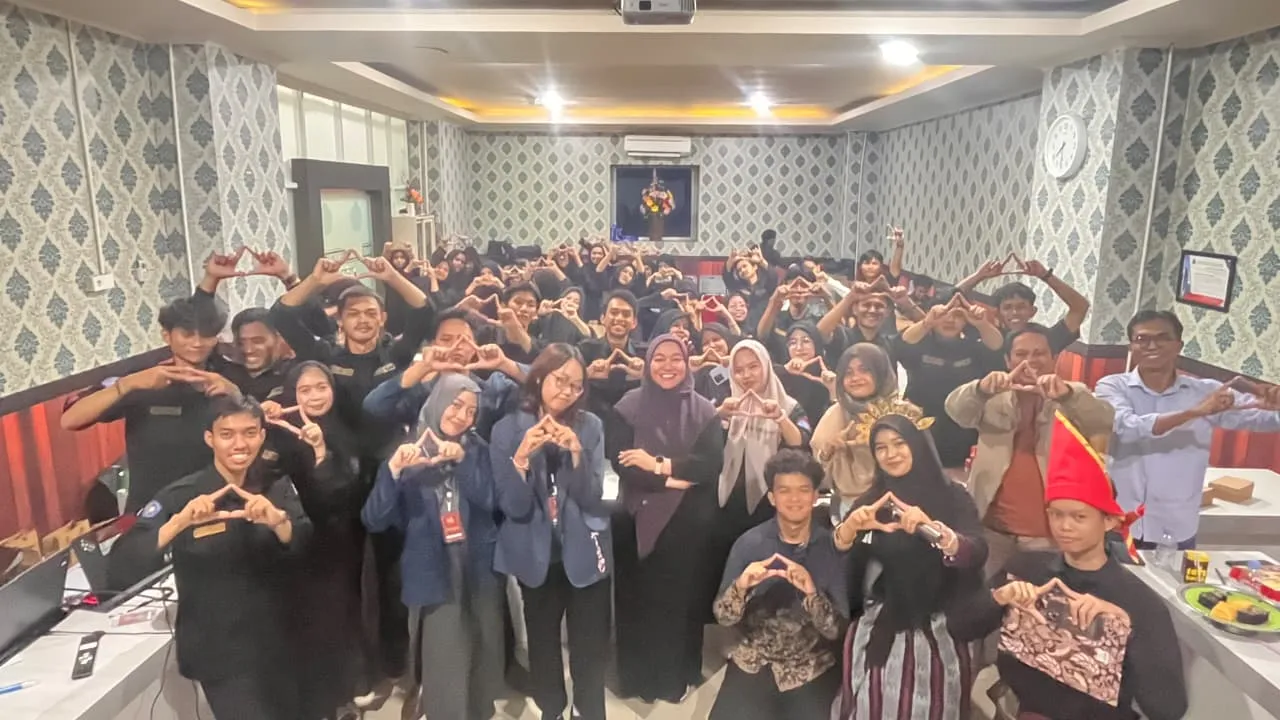
Fakultas Teknik Unismuh Makassar Umumkan Pemenang ARCADE 2026, 20 Tim dari 14 Perguruan Tinggi Bersaing dengan Gagasan Arsitektur Berkelanjutan
17 Oct 2026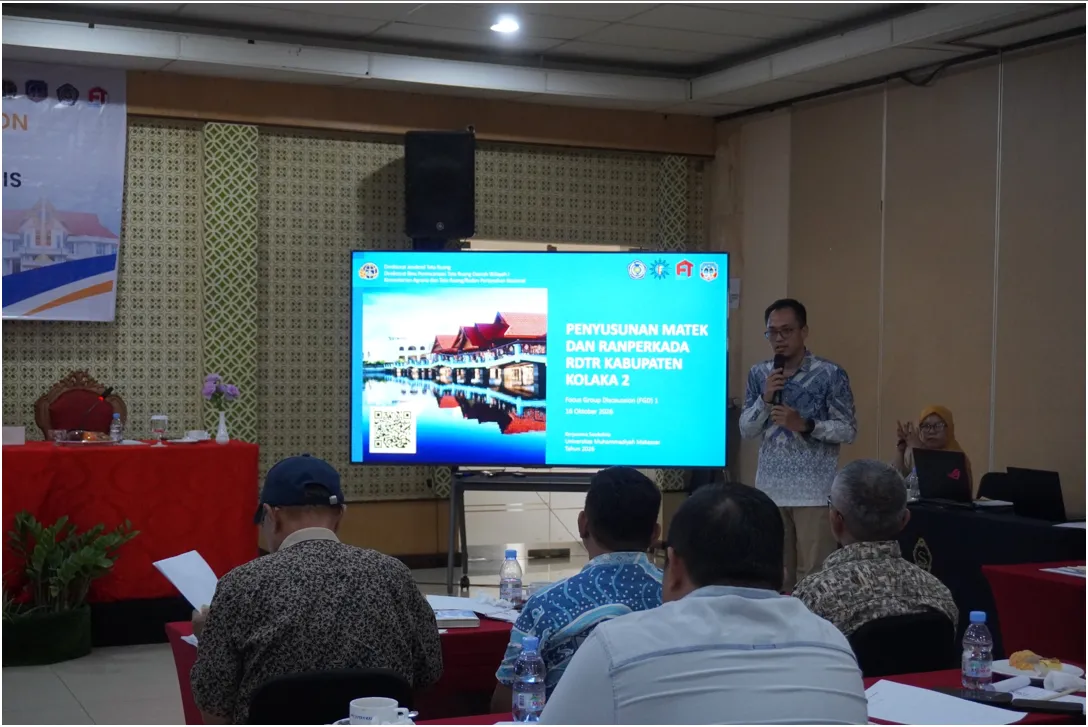
Tim Ahli Fakultas Teknik Unismuh Makassar Berkontribusi dalam FGD I Penyusunan RDTR Kabupaten Kolaka
16 Oct 2026